







Search Results for: Conflict in Coffee-Growing Regions

Colombian government suspends ceasefire with armed factions, coffee-growing heartlands may face conflict fallout
Colombia's Defense Minister announced at a press conference that the government is terminating the ceasefire agreement signed with some factions of the anti-government armed group "Central General Staff" and has ordered an all-out offensive. Although the government is still maintaining a three-month ceasefire with factions that support peace talks, the conflict mainly affects the departments of Nariño, Cauca, and Valle del Cauca—regions that happen to be important coffee-producing areas in Colombia, home to many well-known estates and the Buenaventura export port. The resumption of fighting could lead to coffee beans being looted, smuggled into neighboring countries, farmers displaced, farms left unmanaged, reduced yields and lower quality, damaged infrastructure, and ultimately affected exports. At a time when global Arabica prices are high, if Colombia, as the second-largest coffee-producing country, sees a decline in production, it could further drive up international coffee prices. Front Street Coffee also continues to monitor the potential impact of developments in producing regions on coffee flavor and supply. [more…]

Escalation of Armed Conflict in Cauca, Colombia: 1,400 Soldiers Deployed, Coffee-Growing Region Hit by Wildfires Again
Colombia's peace process has encountered new setbacks. While the government and the "Caraca" faction extended their ceasefire agreement, another faction—the Western Bloc of the "Central General Staff"—continued to exchange fire with government forces in Cauca Department. President Petro authorized an all-out offensive, and the military deployed more than 1,400 soldiers along with heavy equipment to launch a raid. The conflict sparked wildfires in the mountains, and combined with persistent drought and high temperatures, major coffee-producing regions such as Huila Department and Cauca Department were severely affected, with large tracts of coffee crops destroyed. Coffee output in August fell by nearly 100,000 bags month-on-month. The National Federation of Coffee Growers of Colombia (FNC) said that after three consecutive years of declining production caused by La Niña, output is now struggling to recover, up 15% compared with last year. Regional peace and industry recovery remain core issues that the government urgently needs to address. [more…]
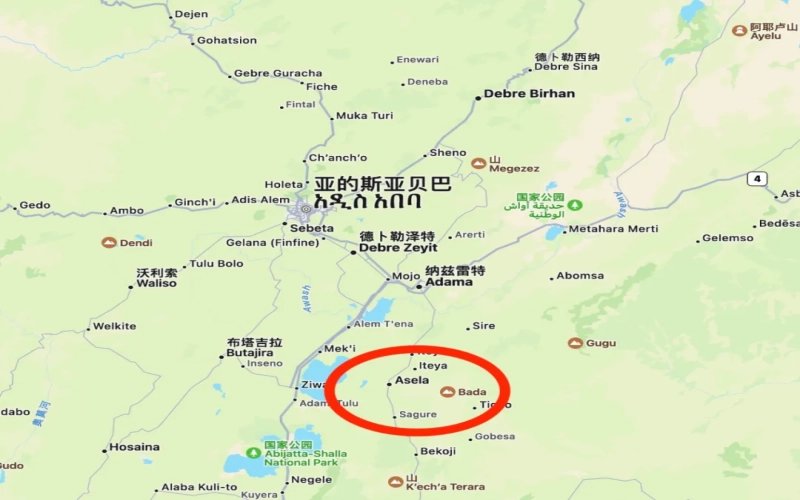
Escalating Security Situation in Southern Ethiopia Poses Potential Threat to Coffee-Growing Regions
Recently, a deadly attack occurred in the Arsi Zone of Oromia Region, Ethiopia, causing casualties and further deteriorating the local security situation. Meanwhile, clashes between Fano armed groups and government forces have intensified in Amhara Region in the northwest, and tensions in Bahir Dar city have escalated. These upheavals not only threaten regional stability but also affect Ethiopia's important coffee industry. With multiple factors overlapping, including currency depreciation, road blockades, and the Red Sea crisis, coffee cultivation costs have risen, exports have been hindered, and international influence faces challenges. This article will review the latest conflict developments and their potential impact on the coffee industry. [more…]
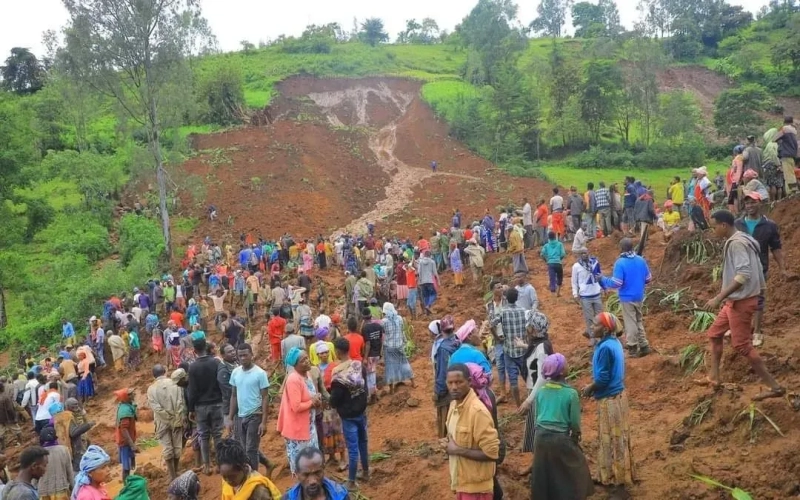
Landslide in Ethiopia's Gofa Zone Kills 229, Coffee-Growing Region Faces Risk of Reduced Output
A severe landslide occurred in the Gofa Zone of southern Ethiopia on the evening of July 21 local time. As of now, 229 deaths have been confirmed, and the casualty toll is feared to rise further. The disaster was triggered by persistent heavy rainfall, and a secondary landslide buried rescue workers. Of particular concern to coffee lovers is that the affected area covers important coffee-producing regions such as Kaffa, Jimma, and Yirgacheffe, where torrential rain and geological disasters are directly threatening the coffee-growing environment and infrastructure. At the same time, the conflict in the north and the impact of the Red Sea crisis on the port of Djibouti have plunged Ethiopia's coffee industry into multiple difficulties. Front Street Coffee will continue to follow the developments and their potential impact on the coffee supply chain. [more…]

Clashes between drug cartels in Chiapas, Mexico, displace hundreds, and coffee production in the main growing region may be severely hit.
Recently, violent conflicts involving drug cartels broke out in Chiapas, southern Mexico, killing at least 19 people and forcing nearly 600 residents to flee to Guatemala for refuge. Chiapas is Mexico's largest coffee-producing region, accounting for 44% of the country's total output and home to about 178,000 coffee growers, mostly smallholder families. The conflict has driven many coffee farmers from their land, leaving coffee plantations unmanaged; combined with earlier drought that had already damaged 80% of the planted area, industry insiders expect the 2024/25 harvest to fall by as much as 50%. With production declining in many parts of the world and coffee prices remaining persistently high, Mexico's coffee supply is tightening further, and international market prices may come under even greater pressure. [more…]
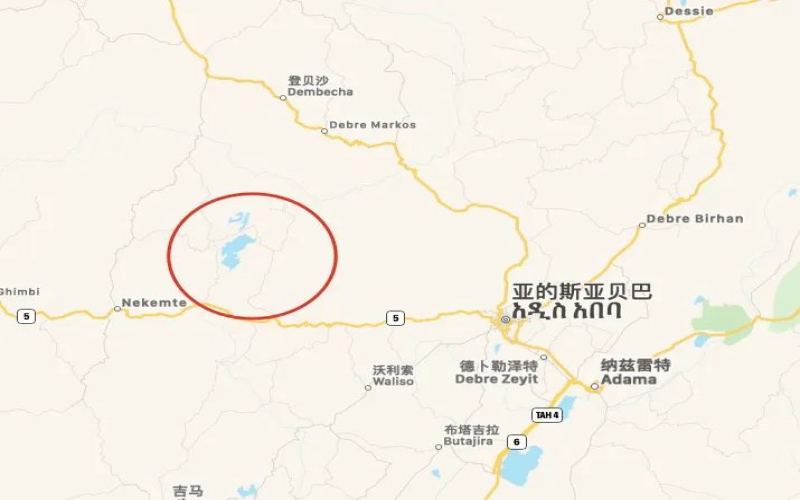
Ethiopian Coffee Exports Face $1.4 Billion Loss: Caught Between Security Conflict and New EU Regulations
The Ethiopian coffee industry is facing severe challenges. On one hand, security conflicts have once again broken out in the Horo Guduru region of Kiremu district in Oromia, resulting in at least 6 deaths; this area is home to Lekanti, the country's main commercial coffee-producing region, and the ongoing conflict continues to disrupt coffee production. On the other hand, the EU Deforestation Regulation will take effect at the end of 2024, and because Ethiopian coffee will struggle to meet compliance requirements, it could face export economic losses of up to US$1.4 billion. Although Ethiopia's coffee export value hit a record in August this year, the dual pressure of the security situation and new international trade rules has left the outlook for this major African coffee country full of uncertainty. [more…]
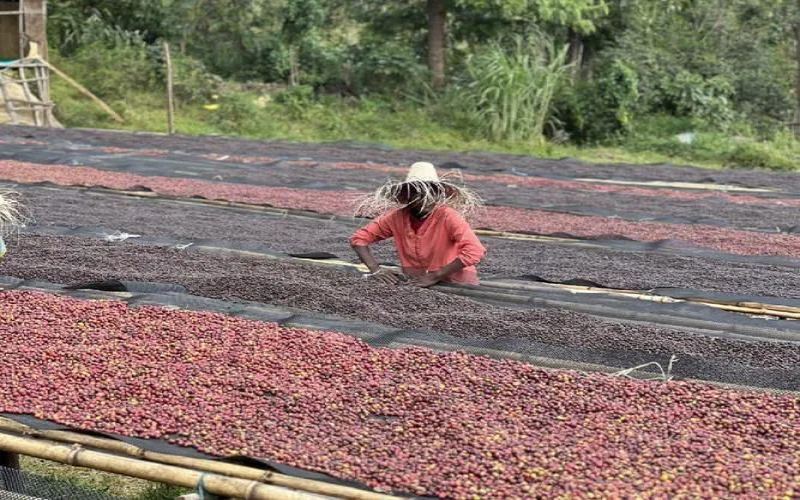
Ethiopia's October coffee export revenue soared to $155 million, driven by growth in both production and prices
Ethiopia's coffee industry delivered an impressive report card in October: export revenue surged 66% year-on-year to US$155.53 million, with export volumes exceeding 35,000 tonnes. High global coffee prices combined with increased production drove this growth, with cumulative export volumes from July to October rising 71% year-on-year. However, the ongoing conflict in Amhara State and disruptions to Red Sea shipping are putting pressure on this East African coffee powerhouse in the form of rising prices and mounting transport costs. This article reviews the latest data, conflict developments, and their potential impact on the coffee industry. [more…]
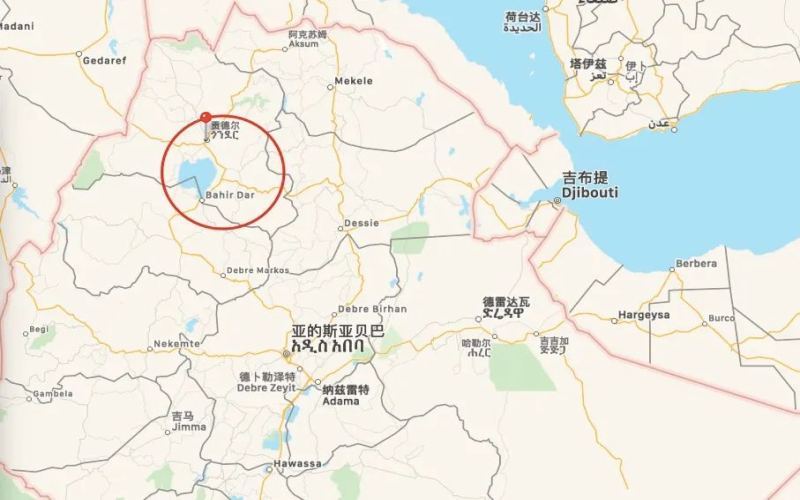
Drone airstrike in northern Ethiopia kills 60, coffee exports under pressure due to EUDR delay and security situation
The Ethiopian government has launched drone airstrikes in the Gondar region of Amhara State, killing more than 60 civilians. The local anti-government Fano militia says the airstrikes cannot reverse the defensive forces' passive position, but instead have won them more grassroots support. The conflict has left millions of students out of school, damaged medical facilities, blocked roads, and disrupted the country's agriculture and livestock sectors and prices. Although the southern coffee-growing regions have so far not been affected, exports face pressure from the delayed implementation of the EU's EUDR and falling international coffee prices. Ethiopia's prime minister says annual coffee production has doubled from 500,000 tons to more than 1 million tons over the past five years, but producers believe regional security is the top priority. [more…]
A Detailed Guide to the Flavor Characteristics of Ugandan Coffee Beans: Pour-Over Grind and Water Temperature Parameters
Uganda, a landlocked country at the source of the Nile, has a long history of coffee cultivation, yet war and unrest have long held back improvements in quality. Today, Uganda is both the world's second-largest exporter of Robusta and a producer of specialty Arabica. This article will guide you through Uganda's coffee-growing regions, variety structure, and flavor profile, and share the pour-over grind size and water temperature parameters recommended by Front Street Coffee to help you brew a cup of Ugandan coffee with rich layers. [more…]
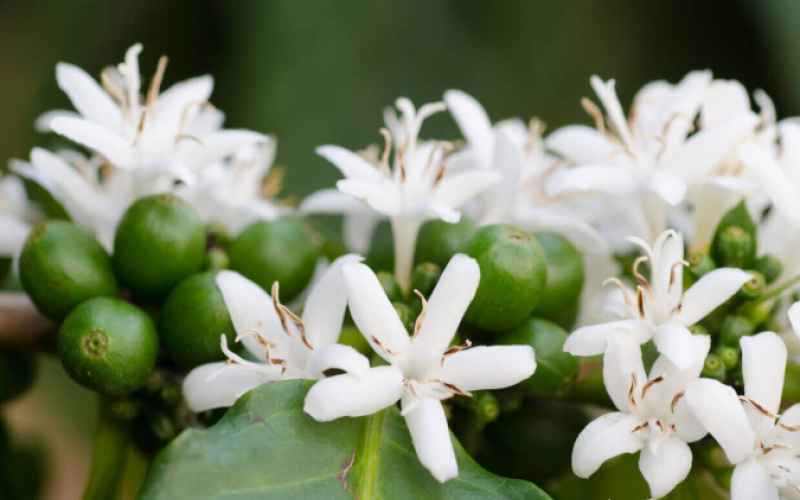
An Analysis of the Cultivation History and Flavor Characteristics of Colombia's Core Coffee Producing Region: Antioquia and the Town of Fredonia
Colombia is the world's third-largest coffee producer, and the high altitudes, volcanic soils, and diverse microclimates of its Andean region give rise to a highly distinctive coffee flavor. In this article, Front Street Coffee systematically traces the dissemination history, industry development, and producing-region landscape of Colombian coffee, with a particular focus on the Antioquia producing region in the northwest and its sub-district of Fredonia. We analyze the local coffee's growing conditions, variety composition, and flavor performance, giving you an understanding of how this important producing region yields coffee with balanced sweetness and a refined mouthfeel. [more…]
A Comprehensive Analysis of Congo's Coffee Producing Regions: The Cultivation Distribution of Arabica and Robusta and the Path to Industry Revival
The Democratic Republic of the Congo was once a major coffee exporter in Africa, with annual exports reaching as high as 120,000 tons in the 1970s. However, civil war and political turmoil once drove its coffee industry to rock bottom, with exports plummeting to just 10,000 tons in 2002. Today, this large African country with a population of 87 million is rising again thanks to its superior natural conditions, gaining international attention for its high-quality Arabica coffee. From Ituri to Grand Nord, from Petit Nord to Bord du Lac, each major producing region displays its unique terroir charm. Front Street Coffee takes you on an in-depth look at Congo's coffee varieties and distribution, the characteristics of its producing regions, and the severe challenges the local industry faces in terms of corruption, financing, infrastructure, and security, as well as its hopes for revival. [more…]

Peruvian Coffee Flavor Characteristics and a Full Analysis of the Three Major Producing Regions and Estates: From Taste Grading to Brewing Recommendations
Peru is the world's eleventh-largest coffee producer, with ten distinctive coffee regions, known for its pure, mild, sweet, and smooth flavor. This article systematically reviews the history, flavor characteristics, grading system, and processing methods of Peruvian coffee, and provides an in-depth introduction to the estate distribution and flavor differences across the three major regions: north, central, and south. Front Street Coffee also shares medium-dark roast recommendations and French press brewing parameters, giving you a comprehensive understanding of this rapidly rising newcomer in the coffee world. [more…]
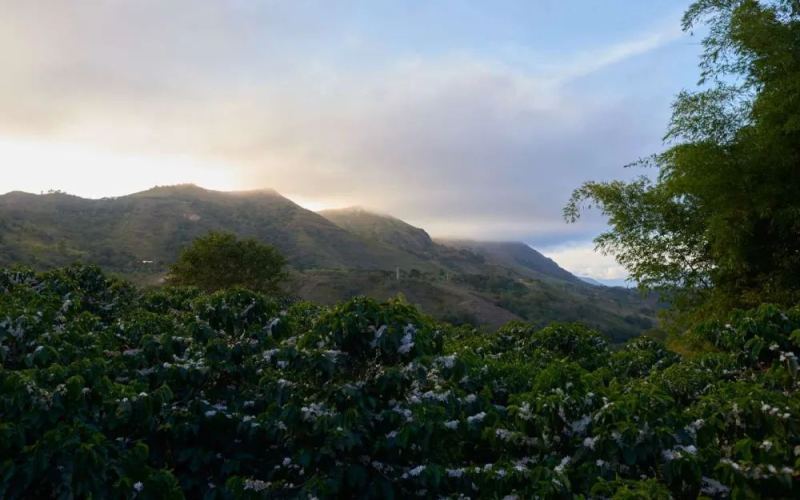
A Beginner's Guide to Washed Colombian Huila Coffee Beans: From Terroir to Caturra Variety Analysis
Colombia is the world's third-largest coffee producer, and its Arabica output ranks second globally. Among its many producing regions, Huila stands out as one of the country's most renowned specialty coffee origins thanks to its high altitude, volcanic soil, and abundant water resources. Front Street Coffee's entry-level selection of Colombian coffee beans comes from right here. This article will guide you through the development history of Colombian coffee, the unique terroir of the Huila region, and how the Caturra variety expresses rich tropical fruit aromas in Huila's high-altitude environment. [more…]
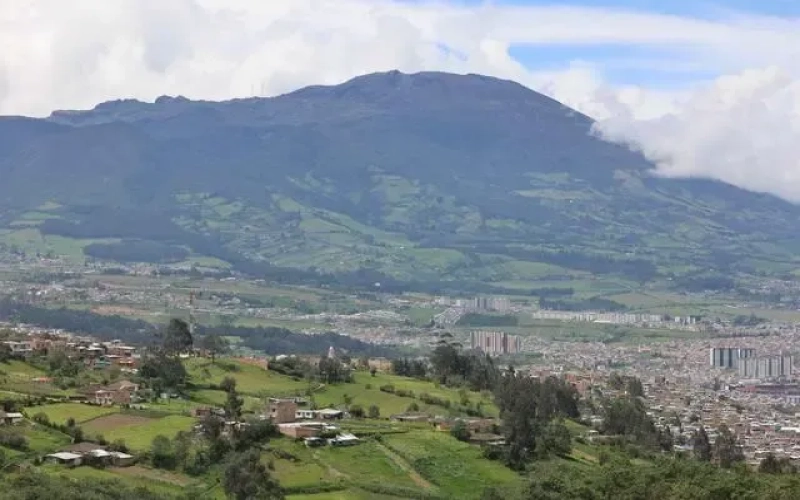
An In-Depth Analysis of Colombia's Nariño Region: From the Rise of the FNC to Hacienda Santa Ana's Road to COE Runner-Up
The Andes Mountains run the length of South America, nurturing numerous coffee-producing countries, and Colombia is among the most outstanding of them. After years of war and social upheaval, Colombia's coffee industry, supported by FNC's standardized management and its unique topography and climate, gradually grew into the world's third-largest coffee-producing country. Beyond well-known regions such as Cauca and Huila, the province of Nariño is emerging with highly complex flavors and floral characteristics, and Hacienda Santa Ana even secured runner-up in Colombia's 2023 COE. This article takes you deep into the natural conditions and historical context of the Nariño growing region, as well as the Geisha cultivation stories of Hacienda Santa Ana and Finca Bohemia. Front Street Coffee continues to follow developments in Colombian specialty coffee, bringing first-hand regional news to enthusiasts. [more…]

Colombia Rose Valley Coffee Flavor Analysis: A Complete Guide from Anaerobic Fermentation Process to Iced Pour-Over Parameters
Colombia, as the world's second-largest coffee-producing country, is not only famous for its washed beans but is also a core representative of special anaerobic fermentation processing methods. This article focuses on Rose Valley coffee produced by Big Tree Estate in Colombia's Santander region. It first reviews Colombia's coffee cultivation history and regional landscape, then takes a deeper look at the characteristics of the Caturra variety and the double anaerobic enzyme washed process, and also includes a complete roasting curve, cupping information, and parameters for both hot brewing and iced hand brewing. Whether you want to understand the processing logic behind anaerobically fermented beans or are looking for an iced hand-brewing recipe you can directly replicate, you will find the answers in this article. For more specialty coffee content, follow Front Street Coffee (FrontStreet Coffee). [more…]

A Complete Guide to Ethiopian Coffee Bean Grading and Regions: From Coffee Ceremony to the Flavors of Nine Major Origins
Ethiopia is widely recognized as the birthplace of coffee. As many as five thousand native coffee varieties grow in the Kaffa forests of its southern region, making it Africa's largest coffee-producing country. Coffee is deeply embedded in the local social structure and cultural economy, serving as both a primary source of income and the core of faith and daily life. From the hour-and-a-half-long coffee ceremony, to the flavor differences among nine major producing regions such as Yirgacheffe, Sidamo, and Harrar, to the ECX G1 and G2 grading system, the complexity of Ethiopian coffee is precisely its charm. Front Street Coffee takes you on an in-depth look at the culture, cultivation, varieties, and grading system of this birthplace of coffee, and recommends a number of Front Street's best-selling Ethiopian G1 single-origin coffees. [more…]
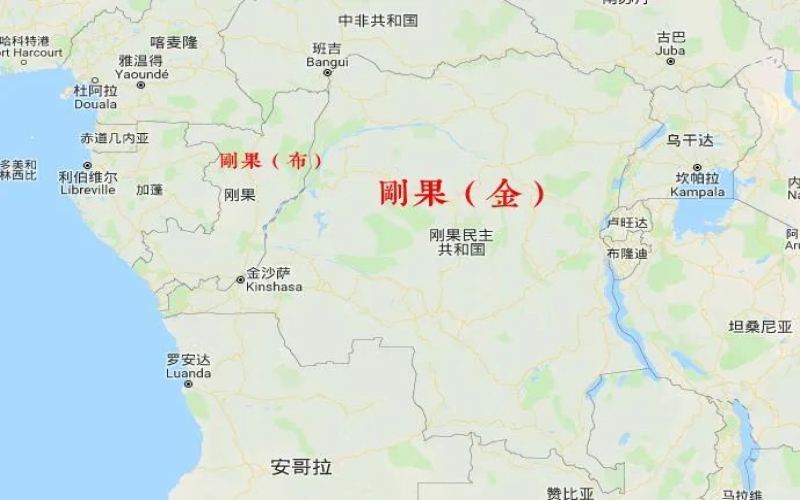
From Granary to Crisis to Recovery: The Tortuous Development of the Coffee Industry in the Democratic Republic of the Congo
The Democratic Republic of the Congo was once hailed as Africa's breadbasket, endowed with vast tracts of arable land, and coffee once held an important place in the country's economy. However, the shadow of colonial rule and successive waves of political turmoil severely constrained the development of the coffee industry. From coffee leaf rust propelling it to become a cash crop, to the sharp decline in production after the civil war, farmers risking cross-border bean sales, and now the gradual rebuilding in peacetime, the DRC's coffee industry has traversed an extraordinarily rugged path. This article will take you through this little-known history, as well as the opportunities and challenges currently facing the country's coffee industry. [more…]
Complete Analysis of the Differences Between Yirgacheffe Natural and Washed Processing Methods in Cupping Flavor and Roasting Curve
Yirgacheffe is Ethiopia's most iconic specialty coffee region, and its two processing methods—natural and washed—produce strikingly different flavor profiles. In this article, Front Street Coffee will systematically outline the cultural background and cultivation overview of Ethiopian coffee, take a deep dive into comparing the cupping flavor differences between Yirgacheffe natural beans and washed beans, analyze the roasting curve recommendations corresponding to the two processing methods, and share brewing parameters and flavor descriptions to help coffee enthusiasts fully understand the charm of this classic region. [more…]

What exactly do coffee staple beans mean? A full analysis of the flavors and brewing parameters of eight high-value Front Street staple beans.
Many friends who are just getting into coffee have this question: What exactly are "daily drinker" beans? Why are they called that? Simply put, daily drinker beans are small-package coffee beans designed for everyday drinking—light in weight, affordable in price, and diverse in flavor. They help beginners sample the characteristics of different origins at a lower cost while reducing waste from buying the wrong beans. To this end, Front Street Coffee has launched eight daily drinker beans, covering origins such as Ethiopia, Honduras, Colombia, Costa Rica, Guatemala, Yunnan China, Indonesia, and Brazil. Each pack is 100 grams and highlights the most recognizable flavors of each origin. Below, we will introduce these eight beans one by one, including their origin information, processing methods, and brewing suggestions, to help coffee lovers make choices based on their taste preferences. [more…]
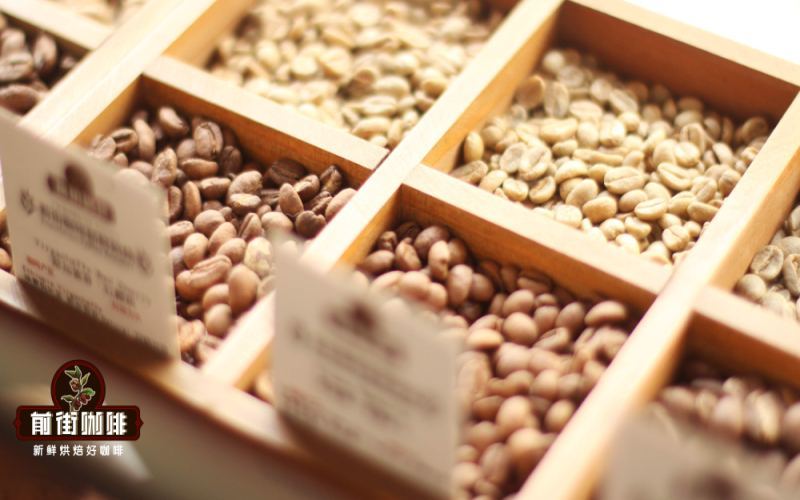
A Complete Guide to Latin American Coffee Regions: Varieties, Processing Methods, and Flavor Profiles from Brazil to Guatemala
Among the world's three major coffee-growing belts, the Latin American region stands out with its distinctive chocolatey and nutty rich tones. From Brazil's nutty sweetness and Colombia's balanced acidity, to Panama Geisha's floral legend, Costa Rica's honey-processing sweet experiments, and on to Jamaica Blue Mountain's classic balance and Guatemala's volcanic flavors, each producing country relies on unique geographical conditions and processing techniques to create highly recognizable cup profiles. This article systematically reviews the coffee varieties, mainstream processing methods, producing region distribution, and grading systems of eight Latin American countries, and, combined with Front Street Coffee's brewing demonstrations, fully presents this region's flavor landscape and bean selection logic. [more…]